May
Thyme

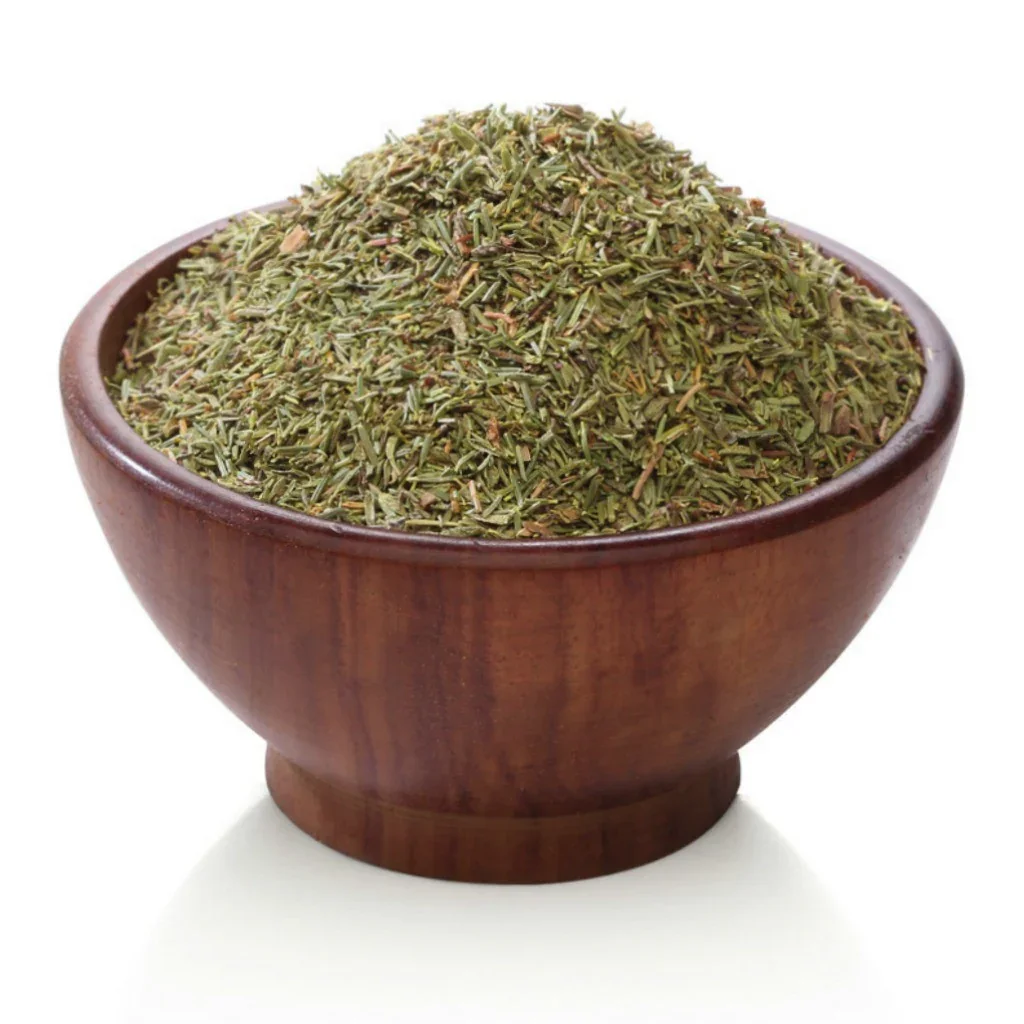
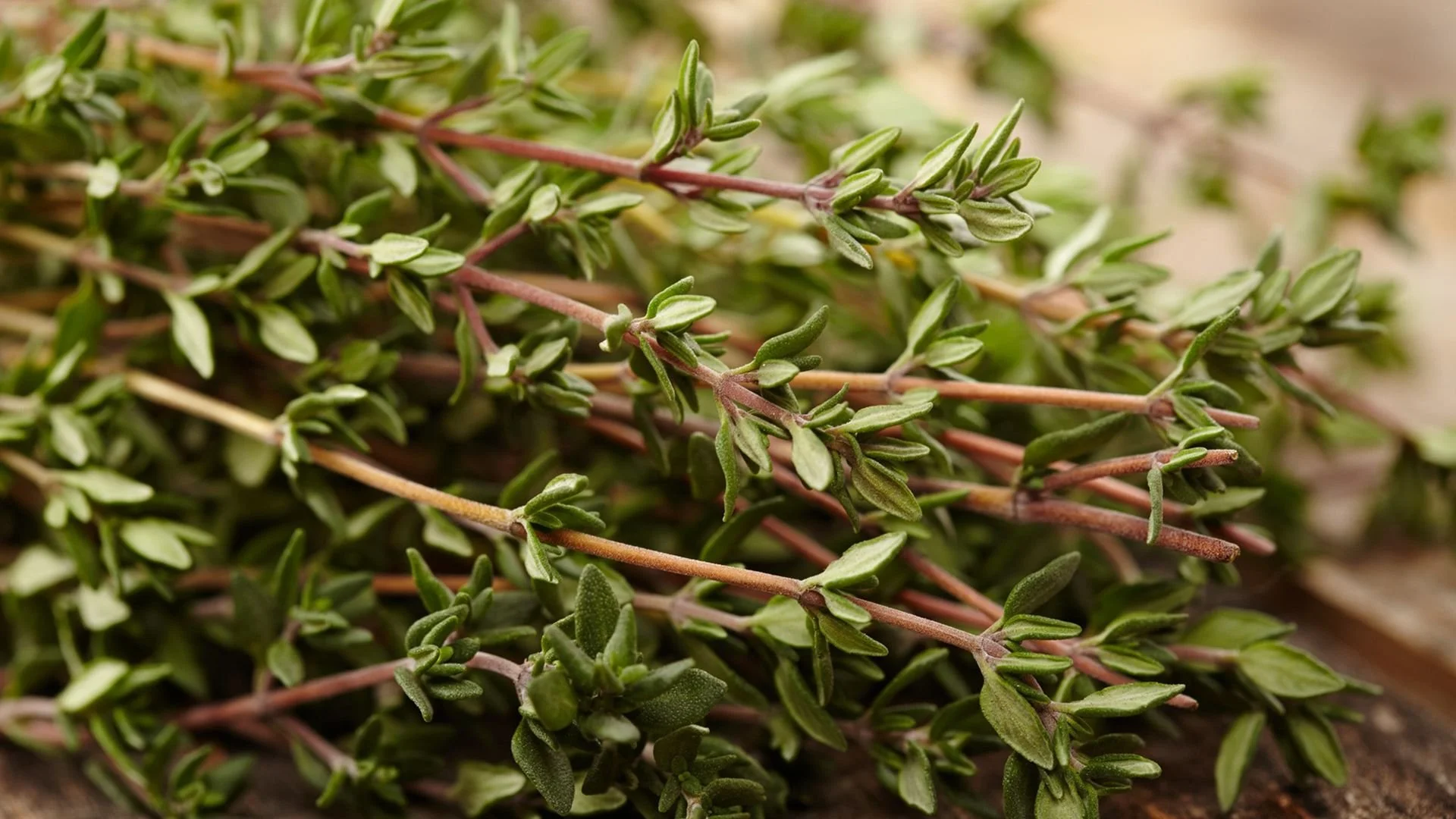
Happy spring and welcome back! I hope you’re ready to learn because now is the perfect time to plant. This herb is used often in many dishes and it’s a common household item, Thyme. We all know thyme, we know that it is fragrant, and it makes pizza, pasta, and garlic knots taste better but do you really know thyme? Let’s start as far back as we can, to the earliest known civilization The Sumerians, located between the Euphrates and Tigris rivers that began to cultivate thyme around 3000BCE. They discovered that thyme helped with respiratory problems, and it helped clean wounds.
From there the word starts to spread. First to Egypt where they began to used thyme oil in the embalming process and dried it to burn for healing practices. Then in 800 BCE the Greeks were using thyme in baths for respiratory problems, skin ailments and hair growth. As well as burning incents for courage and strength. And then to Rome where they furthered their knowledge of Thyme and how it can help. They also began to introduce it into the wines and cheeses.
So now we know a little bit more about Thyme and how it can help, luckily for us it’s easy to find and easy to grow. Having an herb around that has antimicrobial and antioxidant properties, helps with digestion and immune support, cleans wounds and adds depth to your food is like having a small drop of sunshine. Thyme tea helps with cramps and stomach aches. Thyme oil aids skin problems and burning thyme not only cleans the air but also your lungs. Do yourself a favor, grab a small thyme plant and keep it in your window. Don’t forget to be safe and do your own research but have fun!